What are homes like in Chermside?
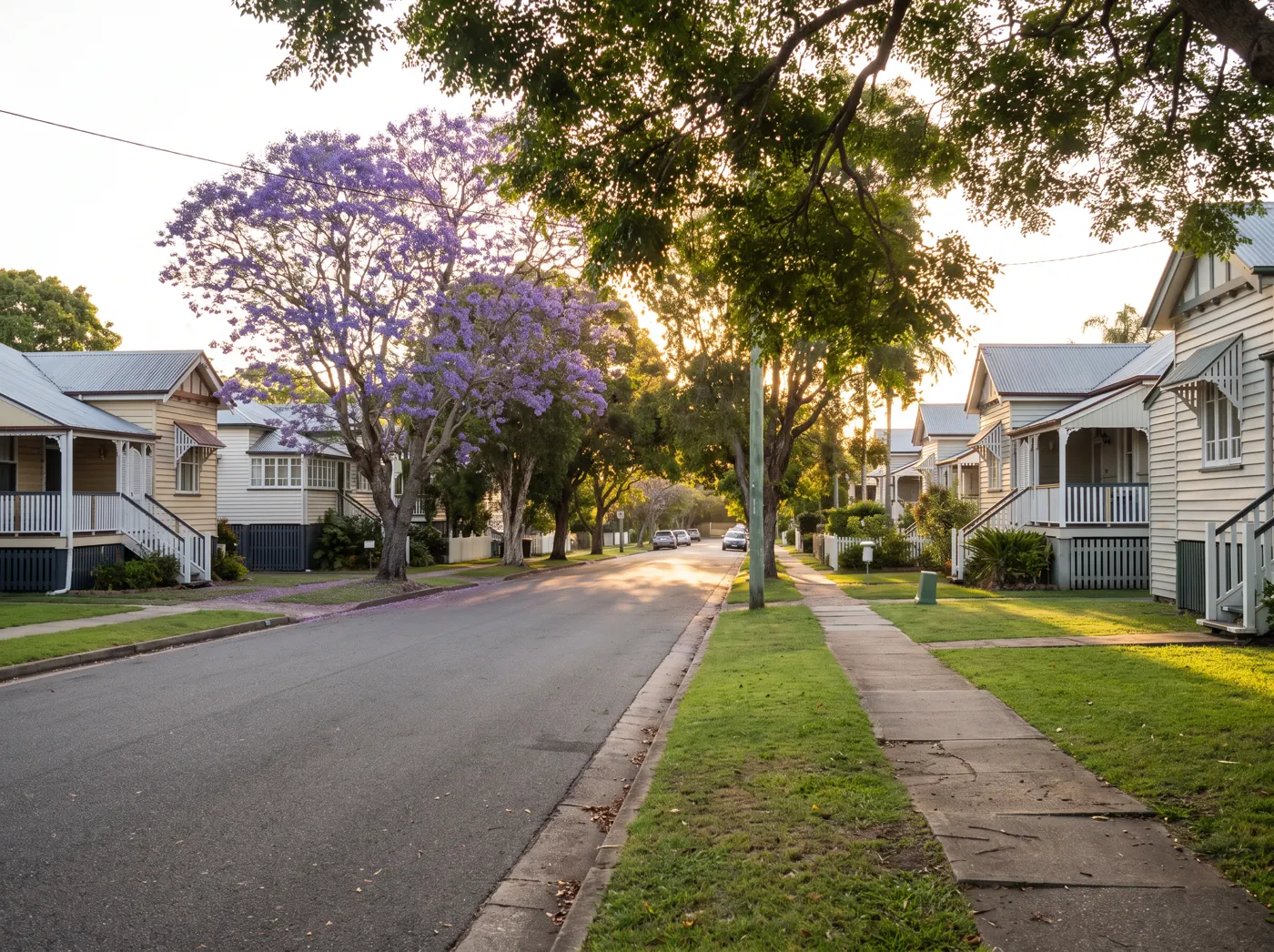
Chermside's older streets are lined with 1950s Housing Commission and War Service homes, now mixed with brick infill and a growing number of apartment buildings. The suburb's boom came after the Second World War. The tram terminus and cheap transport let families build here, the Housing Commission built on a large scale in the early 1950s, and private builders added timber-and-tin houses alongside. In 1957 the Chermside Drive-In Shopping Centre opened, often described as Australia's first of its kind, and it has grown into Westfield Chermside. Since then, apartments have gone up around the centre and along Gympie Road, and Council is preparing a Chermside Centre precinct plan for more housing choice.
What does painting a Chermside home involve?
On the original houses, the main issue is the cladding. Low-cost post-war homes were often clad in asbestos cement sheeting. It can be painted if it's intact, but prep must be gentle: soft-brush washing at low pressure, no sanding, and primer applied by brush and roller. Timber houses from the same period usually need loose paint scraped from weatherboards and window frames and failed putty replaced.
Apartment and townhouse work is a different job. It involves body-corporate approval, booked lifts or loading bays, swing stage or boom access on taller walls, and coatings that can be cleaned in busy common areas.
Near the Westfield and hospital, Gympie Road and Rode Road traffic shapes the timing. We schedule deliveries around peak hours and park off the main roads where possible.
What we do in Chermside
- Exterior painting on post-war fibro and timber homes, with asbestos-safe prep.
- Interior painting for houses, apartments and townhouse interiors.
- Roof painting on 1950s tile and metal roofs that have faded or rusted.
- Commercial painting for strata buildings, shops and medical suites near the centre.
- Colour consultation to update a plain 1950s house without fighting its proportions.